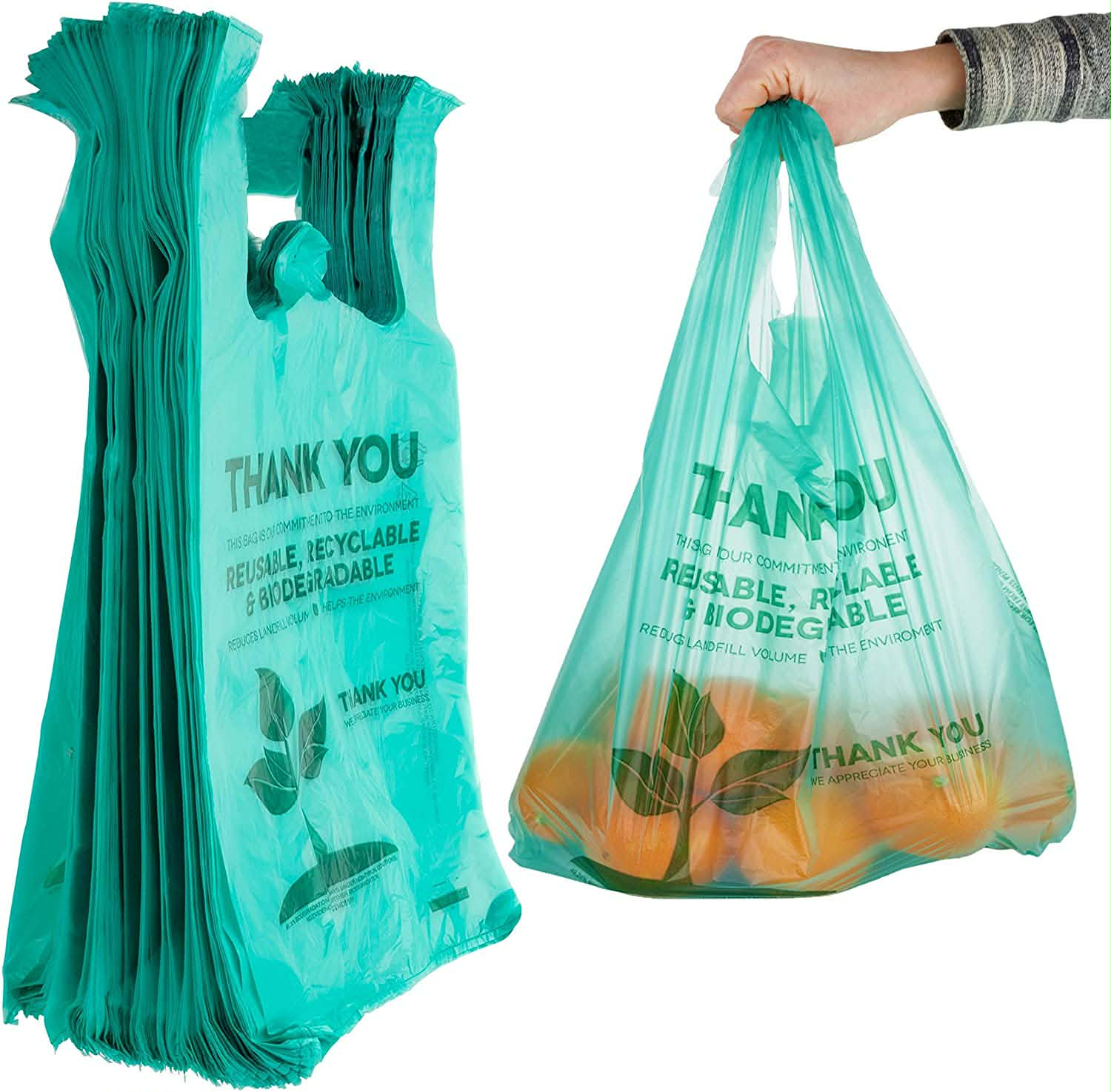
SESESN Biodegradable Shopping Bag
Application-ready product style that supports premium appearance with earth-conscious intent.
Products
Application-ready product style that supports premium appearance with earth-conscious intent.
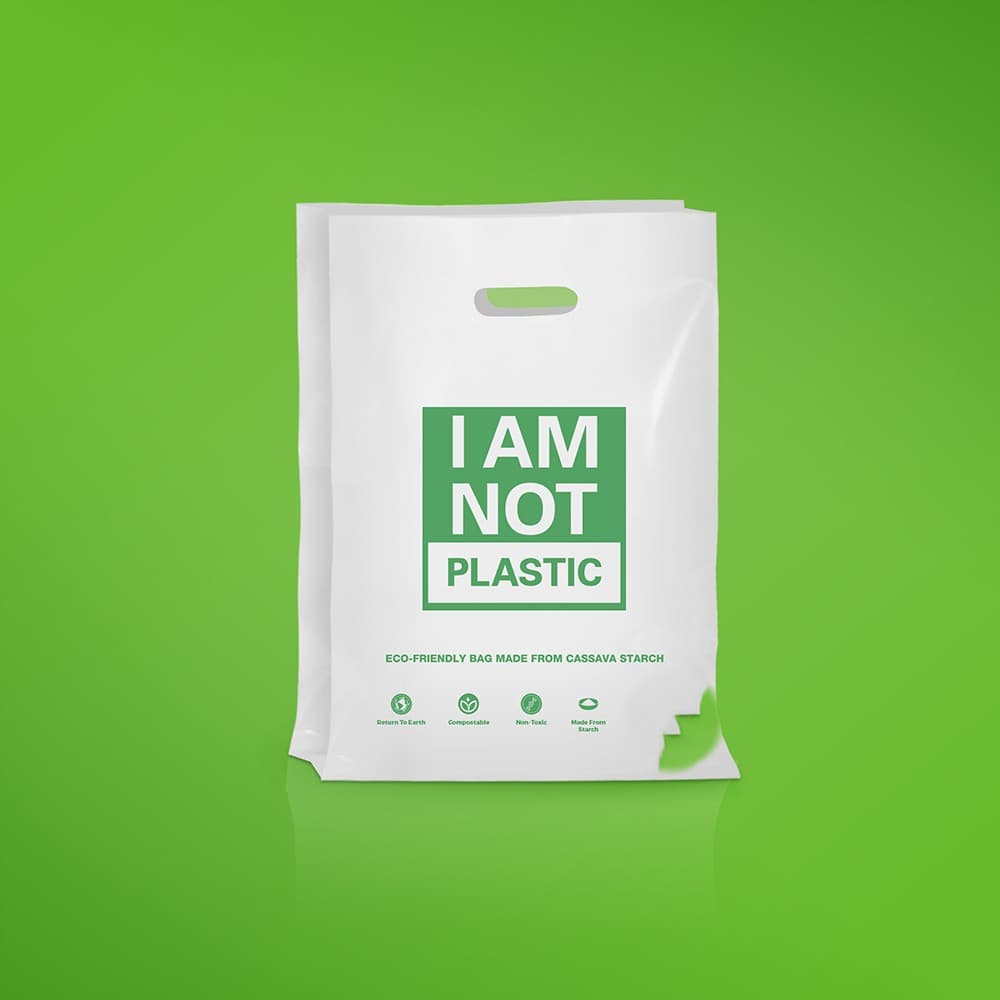
Showcase-ready sustainable product variant aligned with the SESESN circular material vision.
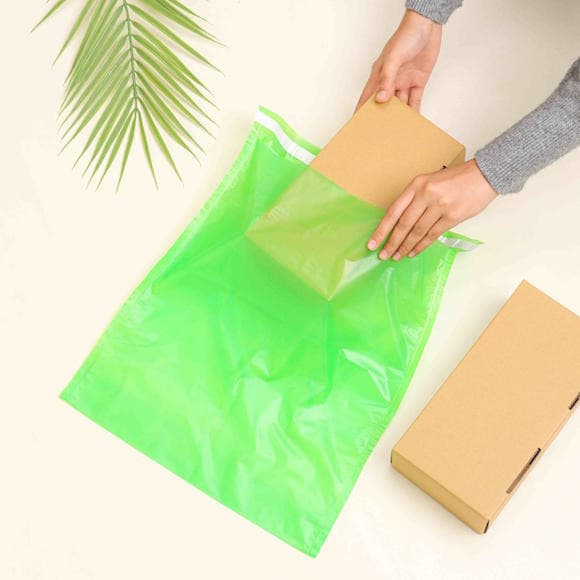
Premium eco-friendly packaging format with a clean finish for everyday brand applications.

Designed for responsible use-cases where visual quality and sustainable material story both matter.
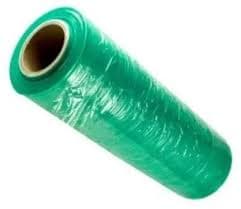
Flexible and durable presentation option for modern retail and packaging environments.
Applications
Packaging
Packaging that returns to the earth.
Agriculture
Agricultural films that enrich soil.
Retail
Premium formats for consumer-facing brands.
Food & beverage
Defined-use solutions with clear material performance.
Our Commitment
We prioritize performance clarity, responsible end-of-life pathways, and premium tactile quality across the portfolio.
Raw pellets to customized compounds
Application-led technical development
Circular economy transition support
Premium bioplastic product strategy
FAQ
Definitions and certifications matter. Here are quick answers to the most common questions we receive.
Biodegradation is the disintegration of materials by bacterial, fungi or other biological means. Although often conflated, biodegradable is distinct from compostable.
Biodegradable plastics are defined by the American Society for Testing and Materials (ASTM) as a degradable plastic in which the degradation results from the action of naturally occurring micro-organisms such as bacterial, fungi and algae.
Compostable plastics are defined as degrade due to a biological process in which they are converted into carbon dioxide, water and mineral salts, disintegrating within 180 days without producing any toxic material.
Oxo-degradable plastic also known as photo-degradable or d2w degrades in the presence of oxygen and the process in accelerated by UV and heat. One of the claims made for oxo-degradable plastics is they reduce litter as they are biodegradable.
No, there is no toxic residue, not even traces of metals or microplastics left behind when a SESESN bag decomposes in the soil.
Yes, we have been certified by American Society for Testing and Materials (ASTM), International Standards ISO 15985/D5511 and ISO 17088, European Standards EN 13431, and by the Ministry of Forrest and Environment for 100% biodegradable and compostable plastics.
Bioplastics are generally more expensive than conventional plastics due to several factors, including the cost of raw materials, the production process, and the smaller scale of production. Additionally, the development and optimization of bioplastic technology are still evolving, contributing to higher costs. By using SESESN, you are supporting efforts to protect the Earth and all living beings on it, as it helps in reducing energy consumption and promoting sustainability.